Stay in the Know
Get our insights and latest news straight to your inbox.
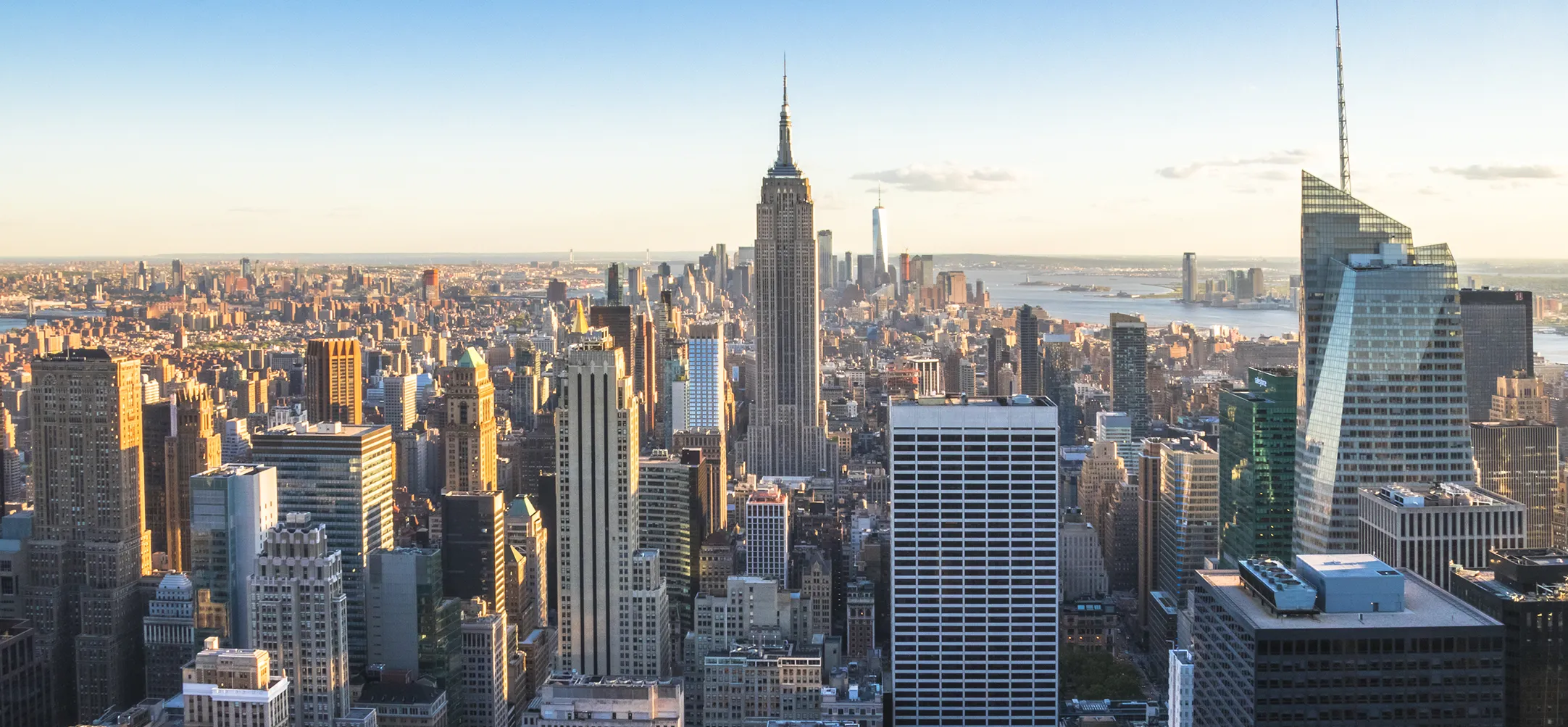
In dense urban markets like Manhattan, outdoor space is both a luxury and a critical driver of value. With no new land to build and every square foot accounted for, developers, property owners, and institutions face the same challenge: how do you transform existing spaces into high-performing amenities that deliver a real return on investment?
Whether it’s an entry plaza, a setback, or a rooftop twenty stories up, these spaces must work harder, feel intentional, and support a compelling user experience. The goal isn’t just aesthetics — it’s marketability. Clients often come to us with limited footprints and big expectations:
Make it special. Make it functional. Make it valuable.
Doing that requires more than great design. It takes a multidisciplinary team that understands how to elevate arrival experiences, navigate public vs. private interfaces, integrate healing or wellness programs, and maximize the impact of every square inch — all while working within complex urban constraints.
Here are some of the creative strategies that can transform compact urban footprints into high-performing assets that truly maximize ROI.
In New York City, Local Law 94 requires that every setback or terrace be used for either mechanical systems, a green roof, or as a dedicated amenity space. For developers, this creates an opportunity that is often overlooked. If the area isn’t needed for equipment, it shouldn’t default to a simple green roof. It can and should do more.
These required setbacks are already part of the zoning envelope. By designing them as amenities, developers can turn unused square footage into valuable outdoor spaces that drive rent premiums and boost marketability. Instead of treating terraces as leftover space, we help clients reimagine them as programmatic assets that can support resident wellness, quiet seating, social gatherings, healing gardens, or even serve as extensions of indoor spaces.
With the right design strategy, mandated setbacks become more than a compliance requirement. They become ROI-positive amenities that differentiate a project, strengthen its brand, and create meaningful user experiences.
Flood resiliency has become one of the defining design pressures in Manhattan. As base flood elevations continue to rise, every project team is feeling the urgency. Developers, architects, civil engineers, and landscape architects alike are being pushed to think beyond generic “sustainability” and instead deliver solutions that genuinely protect buildings and support long-term performance.
This is where integrated design becomes a real differentiator. Working side-by-side with our civil engineers, we’re able to merge stormwater management and flood protection with purposeful, high-quality outdoor amenities. Instead of treating resiliency as a constraint, we help clients turn it into a value-add — designing spaces that manage water, withstand flooding, and remain beautiful and marketable.
From elevated terraces and protected courtyards to multifunctional green infrastructure, we create amenity environments that perform under stress while addressing stormwater and flood management requirements.
For healthcare, office, and multifamily developers alike, brand identity can be a key factor for success. In healthcare, for example, when hospitals acquire new facilities, thoughtful wayfinding, signage, and landscape design can help unify the campus experience, making patients and visitors feel they are part of the same system. Our team identifies opportunities to extend brand and identity through the built environment, shaping arrivals, circulation, and outdoor spaces that reinforce a cohesive experience.
The same principle applies to office and residential properties. As offices in Metro New York work to attract people back to the workplace, developers are investing in creative amenity solutions — from outdoor terraces with trees, wood decks, and lounge seating to outdoor fitness areas — that inspire employees to connect, collaborate, and thrive on-site. Multifamily developments pursue similar strategies, using thoughtfully designed outdoor spaces and amenities to establish a unique identity that resonates with residents.
Even in conversions from office to residential, our landscape architects help transform stark, lot-line buildings into inviting, homey spaces. By integrating greenery, activating terraces, and designing purposeful outdoor environments, we create places people want to live, work, and gather — all while reinforcing the property’s brand and market appeal.
In New York, one of the biggest challenges for developers and property owners is navigating the city’s complex web of regulations and approvals. That’s where having an experienced, integrated team makes all the difference. Our Manhattan-based permitting specialists work hand-in-hand with our landscape architects and planners from the very beginning, ensuring that every design decision is informed by real-world permitting considerations.
In a city where submission deadlines are rigid and every detail matters, our in-house QA/QC process ensures that when a package goes out for permitting, it’s the strongest, most cohesive version of the project. The result is faster approvals, fewer change orders, and outdoor spaces that maximize usability, appeal, and return on investment.
From maximizing small terraces and setbacks to integrating resilient design, streamlining permitting, and reinforcing brand identity across properties, thoughtful landscape architecture and planning can transform every outdoor space into a high-value asset.
Partner with our integrated team to turn your amenity spaces into marketable, memorable, and revenue-generating environments.
Contact us today to start designing outdoor experiences that deliver real ROI.

Get our insights and latest news straight to your inbox.