Stay in the Know
Get our insights and latest news straight to your inbox.
Columbus, Ohio, is in the midst of a major growth surge. The Mid-Ohio Regional Planning Commission (MORPC) projects that the 15-county Columbus metropolitan area will add roughly 726,000 residents by 2050, bringing the total population to around 3.15 million.
This population growth is being fueled by the arrival and expansion of major companies and headquarters in Central Ohio, including Intel’s massive “Ohio One” semiconductor campus, Honda Americas, Anduril Industries’ defense manufacturing facility, and data centers for tech giants like Google and Amazon.
Supporting this growth are major infrastructure projects designed to improve mobility and connectivity, such as the “Downtown Ramp Up” I70/I71 overhaul, the LinkUS transit initiative, and targeted zoning changes along key corridors to encourage higher-density development.
With new residents, companies, and infrastructure coming online, Columbus is full of opportunity — from Delaware County in the north, Franklin County in the west, and Grove City on the south end. We sat down with Bohler Columbus leaders Matt Poindexter and Ben Siembida to learn more about where these opportunities lie and how developers and investors can successfully navigate this rapidly evolving landscape.


Matt: Right now, several sectors are standing out in Central Ohio. Retail is seeing a lot of activity, particularly in new neighborhoods that are far from existing retail options. There’s also an uptick in big-box development, with players like Kroger and Walmart refreshing or expanding their footprint. Single-family housing continues to be steady, while multifamily development has mostly been concentrated outside the Outerbelt.
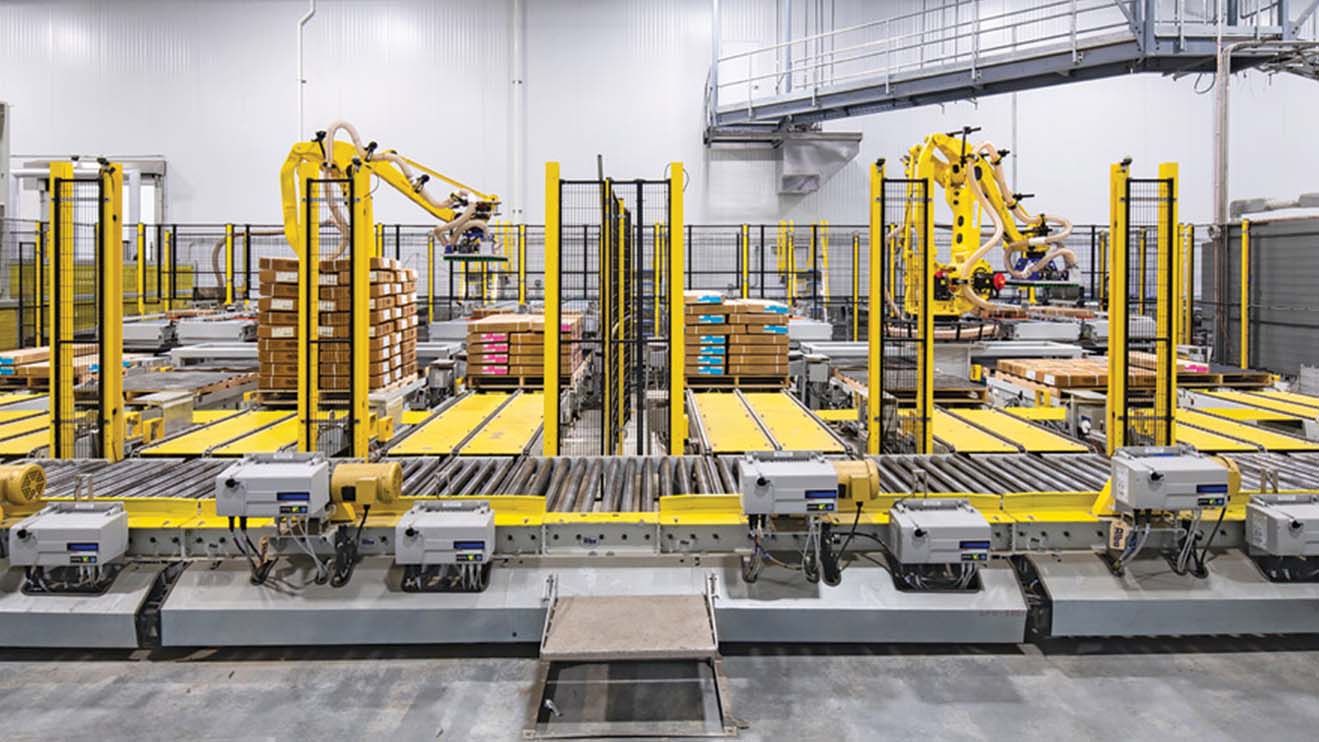
Ben: Another big sector gaining momentum is data centers. Interestingly, the delay of Intel’s semiconductor plants in Central Ohio has been followed by Anduril’s advanced manufacturing facilities and expansion of data centers throughout the state. We have assisted clients with long-term power availability planning, phased “test fit” plans, and designing necessary utility extensions for large-scale projects. Ohio has a rich history of industry and manufacturing, and is now seeing a new wave of opportunity.
Matt: In terms of trends, public-private partnerships (PPPs) are increasingly shaping development. Cities like Dublin have leaned on these partnerships to drive projects—examples include Bridge Park in Dublin, which I worked on for more than eight years, Truepoint in Hilliard, and Broadway in Grove City. Even in northern Columbus, PPPs have been used for supporting infrastructure like parking garages, helping to unlock development opportunities that might not have been possible otherwise.
Central Ohio is supporting major infrastructure projects to improve connectivity as well as targeted zoning changes along key corridors to encourage higher-density development.
Matt: Columbus is making major investments in infrastructure that are helping unlock development opportunities across the city. One of the biggest projects is Downtown Ramp Up, a massive overhaul of the highways through downtown. This project will reduce congestion, improve safety, and rebuild key bridges and ramps—like the Front Street bridge and the High Street crossing. The plan also includes better pedestrian crossings, which will make it easier to navigate the downtown area and connect neighborhoods.
Ben: Another transformative initiative is LinkUS, COTA’s plan to modernize and expand transit, and create more walkable, connected communities. The plan will add more COTA service offerings, construct new Bus Rapid Transit lines, improve bus stations with amenities like platform-level boarding, expand sidewalks, new bike lanes, and introduce more on-demand transit options through COTA//Plus zones.
Together, these improvements are creating the infrastructure backbone that supports higher-density development and makes new areas more accessible for residents and businesses alike.
Matt: Columbus is undertaking its first major zoning overhaul in more than 70 years through the “Zone In” project, aimed at guiding growth in a thoughtful, equitable, and sustainable way. Zone In focuses on expanding economic and housing opportunities, including job growth, new housing, and mixed-use development. With population and housing demand rising, the region needs to double the number of new housing units built each year, and the updated zoning code will be a key tool in making that possible.
Ben: Columbus offers opportunities across the region, but it’s a market where local expertise is essential. The city has an unconventional zoning and plan review process, so having a partner who understands the ins and outs of local regulations can make a big difference.
Success often depends on finding the right fit and structure for your project. In some cases, developers may benefit from joint ventures, public-private partnerships, or local backing, like land use attorneys familiar with the local landscape, to help navigate the market and unlock opportunities. While there’s plenty of potential throughout Columbus—from established neighborhoods to emerging corridors—approaching the market strategically and leveraging local knowledge is key.
Matt: Our Columbus team is growing quickly. We will reach 13 employees next year with our sights set on 20 in the near future. Our local team already delivers a full range of land development services, including planning, site civil engineering, permitting, and landscape architecture design, and we’re building capacity to serve even more clients across the region.
We’re also planning to bring an in-house survey team online soon, which will allow us to deliver even more comprehensive solutions for clients. With this growth, we aim to be the go-to resource for developers in Columbus and Central Ohio, helping them navigate the evolving market and take advantage of the many opportunities in the region.


Get our insights and latest news straight to your inbox.