
Stay in the Know
Get our insights and latest news straight to your inbox.
Historic industrial neighborhoods across the Northeast, Mid-Atlantic, and Southeast — whether former mills in Massachusetts, brick warehouses along the Mid-Atlantic waterfront, or repurposed factories in Southern cities — are emerging as high-demand destinations for tenants and residents seeking to preserve character, enhance local walkability, and discover unique experiences.
For developers, these opportunity zones, or districts, offer more than architectural charm – they present opportunities to capture premium rents, leverage unique capital strategies, and differentiate projects in competitive urban markets.
Adaptive reuse in these regions requires balancing preservation with contemporary design, building code, and sense-of-place that meets modern expectations. Projects that retain historic character, integrate sustainable infrastructure, provide engaging streetscapes, and earn community trust not only preserve neighborhood identity but also unlock long-term value, reduce risk, and enhance marketability.
Here are four strategies for leveraging adaptive reuse to create distinctive, profitable, and innovative projects:
Industrial materials, historic character, and one-of-a-kind architectural details aren’t just aesthetic — they’re market advantages. Retaining, reusing, or repurposing original brick, steel, and concrete, while enhancing pedestrian flow and activating open spaces, creates destinations that attract tenants and drive foot traffic. Early engagement with engineers, planners, and landscape architects provides a runway for strategic and comprehensive design decisions made to optimize existing sites for a brand new generation of users and spectators, strengthening community support and long-term value for landlords.
Krog District – Preserving Character, Enhancing Experience
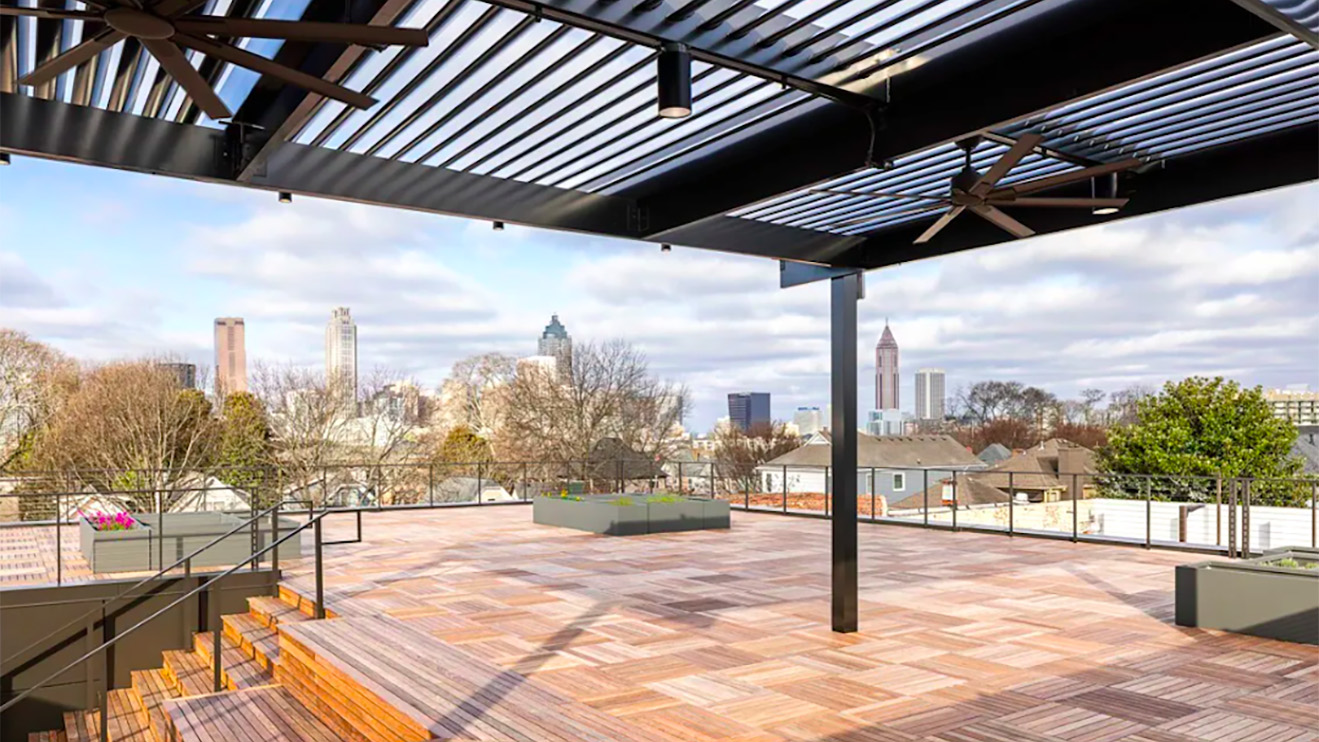
By reimagining the historic Butler and Gravel buildings, the Krog District preserves industrial charm while creating a dynamic, pedestrian-friendly destination. Bohler and the design team navigated existing infrastructure, including a 5-foot-wide sewer line, and improved connections to Atlanta’s BeltLine, blending authentic character with modern functionality and community appeal.
Successful stormwater and utility strategies optimize infrastructure and improve site performance. LID solutions — like bioswales, rain gardens, engineered wetlands, and stormwater reuse — help developers meet regulations while turning functional systems into engaging green spaces. Preserving natural features, mimicking nature, and reusing stormwater enhances aesthetics and positions projects to be resilient, sustainable, and marketable.
The Overlook at St. Gabriel’s Monastery – Smart Stormwater, Lasting Value
At St. Gabriel’s Monastery, Bohler’s engineering team turned challenging drainage and a 40-foot site grade change into an opportunity for resilient design. By thoughtfully locating infiltration systems, rerouting portions of the existing system, and preserving expansive landscaped open spaces, the project manages stormwater effectively while enhancing aesthetics. These low-impact strategies treat and manage runoff, protect existing basements and associated entrances, and create green, inviting spaces that strengthen both environmental performance and market appeal.
Connected streets and active public spaces are direct drivers of success. Walkable site activation attracts tenants, supports retail and dining users, and increase property value. Carefully integrating pedestrian circulation, wayfinding, and inviting streetscapes ensures projects are not only functional but desirable destinations.
Fábrica Lofts – Walkable, Connected, Desirable
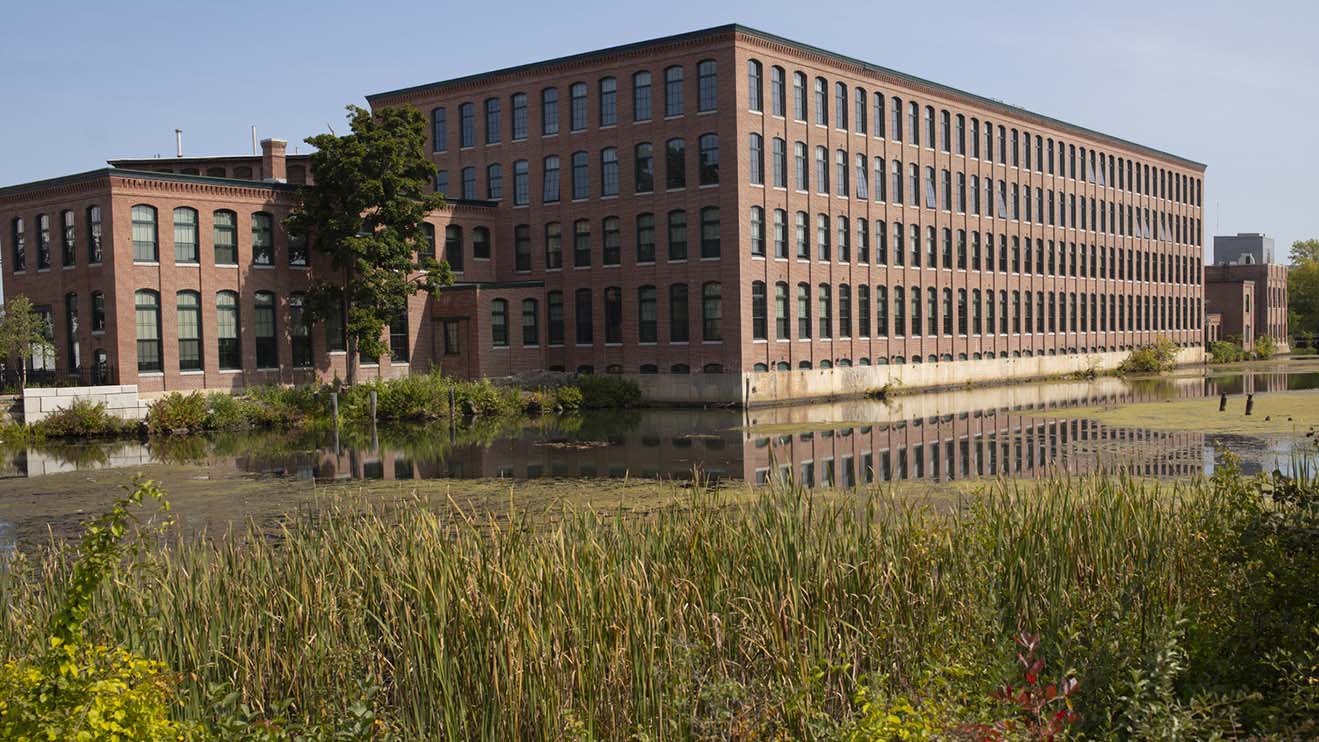
Fábrica Lofts demonstrates how thoughtful location and design enhance walkability and market appeal. Situated near public transit, major highways, and key amenities like grocery stores and shopping centers, the project also connects residents to Stevens Pond and the Spicket River Greenway. By prioritizing pedestrian access and integrating into a livable, amenity-rich neighborhood, Fábrica Lofts supports reduced car reliance while creating a vibrant, connected community that drives tenant attraction and long-term value.
Community engagement reduces entitlement risk and accelerates approvals. Design teams can host workshops, incorporate resident feedback, and partner with local artists or historians to celebrate the site’s legacy. Adaptive reuse, when presented in the right light, can also provide opportunity for an expedited entitlement process. When a project demonstrates that it is designed with the community in mind, it earns trust, strengthens placemaking, and becomes a valued neighborhood asset—turning thoughtful design into a competitive advantage.
The Abner Hotel – Partnering with the Community
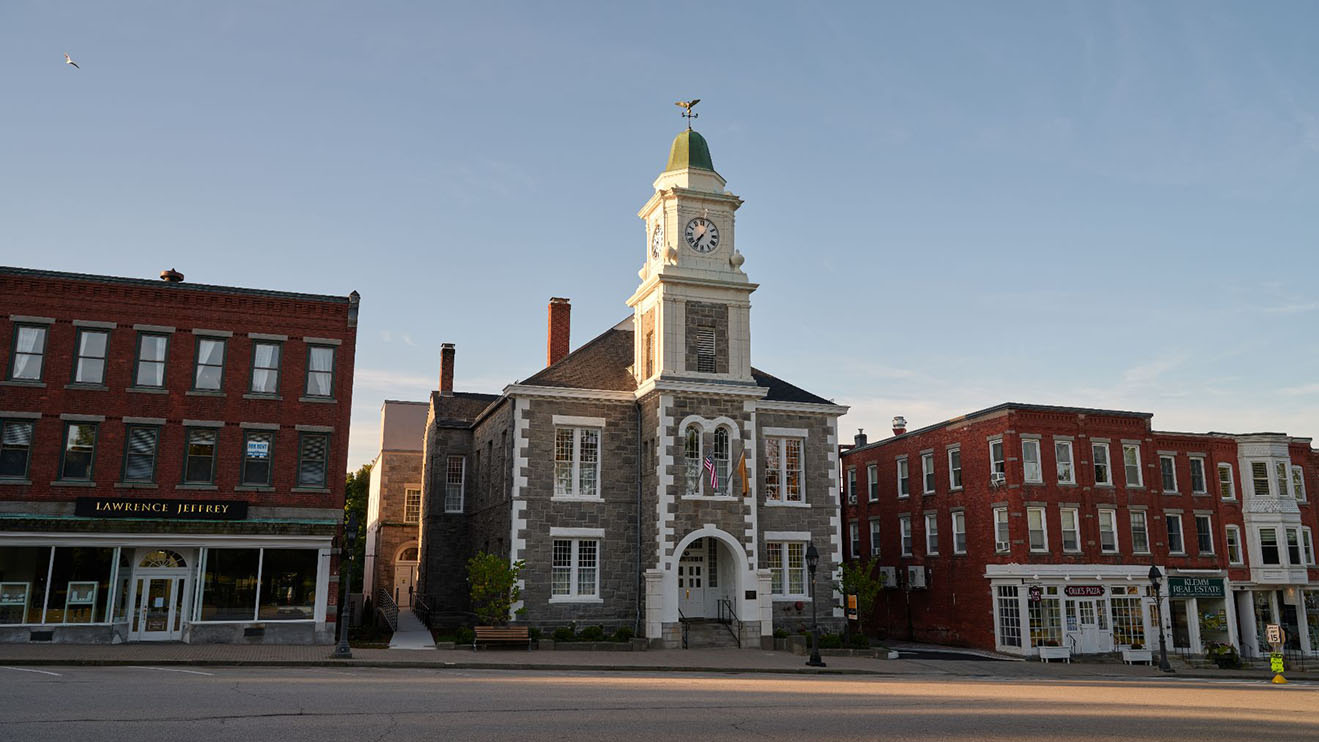
The Litchfield Courthouse project showcases how early and thoughtful engagement builds lasting trust. Developers collaborated with local authorities, secured approvals from voters and the Historic District Commission, and partnered with the Greater Litchfield Preservation Trust to honor the Town’s heritage. Community-focused events, like the ribbon-cutting ceremony, and a commitment to local job creation reinforced the project’s role as a valued neighborhood asset, turning careful planning and collaboration into a competitive advantage.
Adaptive reuse across the Northeast, Mid-Atlantic, and Southeast is more than preserving buildings — it’s about unlocking opportunity while honoring neighborhood identity. Successful projects balance progress with preservation, turning every design decision into a competitive advantage that enhances marketability, mitigates risk, and strengthens community support.
At Bohler, our multidisciplinary teams in site civil engineering, planning, and landscape architecture partner with developers to navigate these complex urban environments. From infrastructure upgrades and low-impact development strategies to walkable streetscapes and stakeholder engagement, we provide the technical expertise and strategic insight needed to deliver projects that perform, resonate, and add lasting value.
By integrating smart design, sustainable practices, and context-sensitive solutions, developers can create adaptive reuse projects that not only function efficiently but also feel authentic — driving long-term success and shaping vibrant, resilient communities across the Northeast, Mid-Atlantic, and Southeast.


Get our insights and latest news straight to your inbox.