
Stay in the Know
Get our insights and latest news straight to your inbox.
Prince William County continues to be one of Northern Virginia’s most active development markets, with strong momentum across residential, retail, and mission critical projects. As both local and out-of-market developers pursue new opportunities, navigating the county’s evolving regulations, review processes, and development landscape has become increasingly important.
While Bohler has partnered with clients in Prince William County for years, the firm is continuing to expand its presence by helping local developers maximize opportunities through integrated planning, site civil engineering, landscape architecture, and permitting expertise.
We sat down with Bohler Branch Manager Katherine Roberts to discuss what’s driving growth in Prince William County, what developers should know before breaking ground, and how local experience, specialized residential expertise, and an integrated approach can help projects move from concept to construction more efficiently.
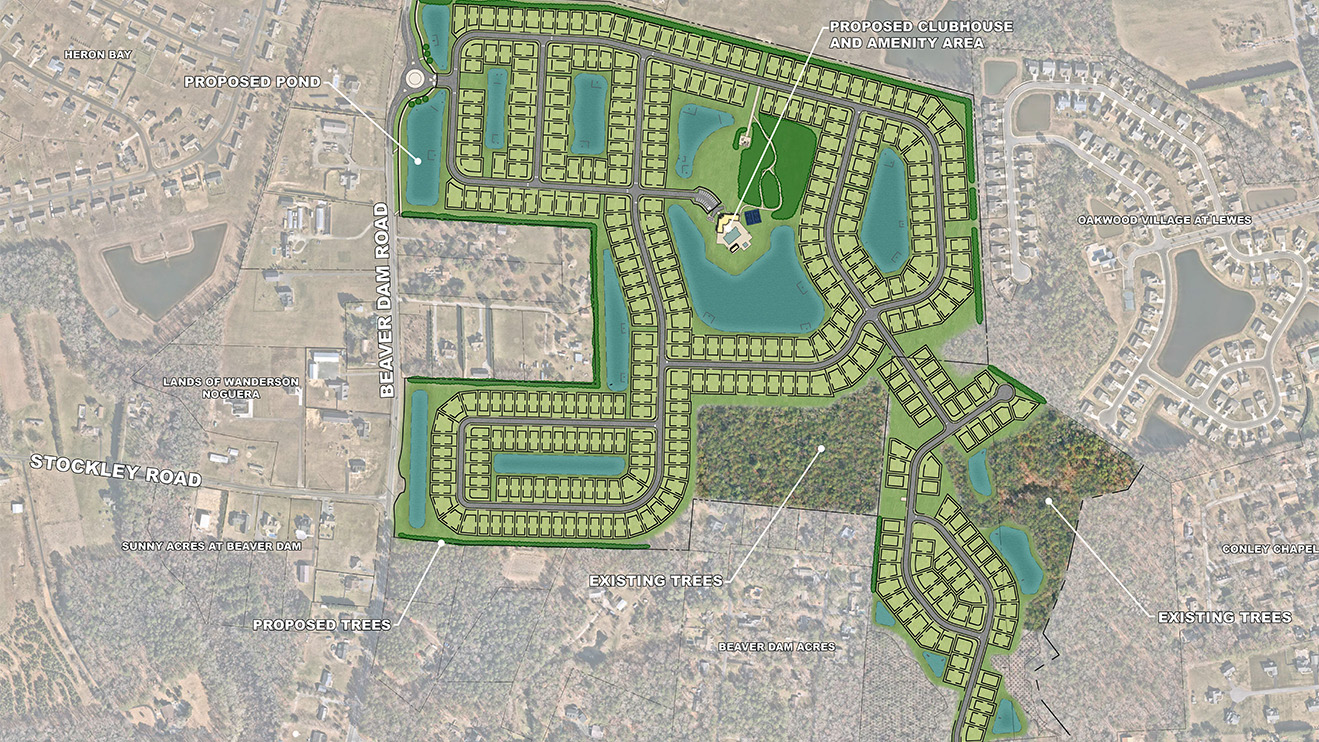
Residential developers need a partner who can help maximize a site’s potential from the very beginning. That’s why our dedicated residential design group has become such a strong differentiator. Clients appreciate working with specialists who understand how successful residential communities are planned and designed, not just engineered.
By bringing together planners, landscape architects, and civil engineers early in the process, we can evaluate the highest and best use of a property, identify potential constraints before they become costly redesigns, and develop communities that are both marketable and buildable.
Combined with our experience navigating Prince William County’s review process, that integrated approach helps projects move forward more efficiently and with greater confidence.
The biggest mistake is treating proposals like they’re apples-to-apples comparisons. It’s easy to focus on the bottom-line fee, but proposals often reflect very different assumptions, scopes, and levels of effort. Two consultants may be pricing entirely different approaches to the same project.
The best developers look beyond the numbers. They ask questions like: What’s included? What’s excluded? What assumptions are you making? What risks do you already see with this site? Those conversations reveal how well a consultant understands the project and whether they’ve thought through the challenges that could impact schedule, budget, or permitting.
It’s also important to understand the team behind the proposal. Who will be managing the day-to-day work? How involved will senior leaders be? How will communication be handled throughout the project? Those factors often have a much greater impact on a project’s success than a small difference in fee.
Ultimately, the goal isn’t to find the lowest proposal. It’s to find the partner who provides the greatest value, helps reduce uncertainty, and gives you the confidence that your project can move forward with fewer surprises.
Developers should think beyond design capabilities when selecting a consultant. Ask what construction-phase support looks like.
Experience in the county is important, but developers also need a partner with the capacity to keep projects moving. Prince William County continues to attract both local developers and investors entering the market for the first time. Those clients need a team that understands the local process, has established relationships, and can bring together planning, civil engineering, landscape architecture, permitting, and other services under one roof. That combination helps projects advance more efficiently from concept through construction.
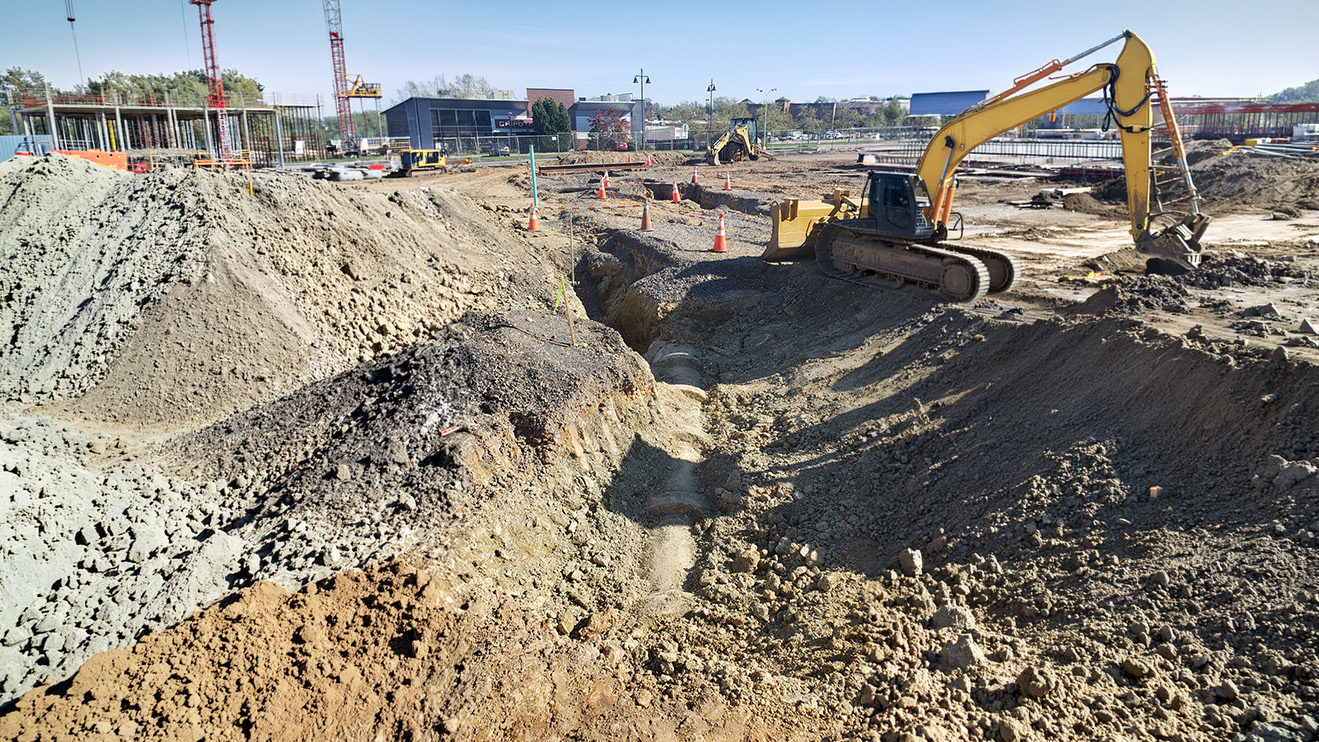
Construction is where even small delays can have a ripple effect. A contractor may uncover an unexpected utility conflict, a municipality may request additional information, or field conditions may differ from what was anticipated during design. The difference between a minor adjustment and a costly delay often comes down to how quickly your consultant can respond.
That’s why developers should think beyond design capabilities when selecting a consultant. Ask what construction-phase support looks like. Will there be a dedicated team responding to RFIs, coordinating with contractors, resolving field conflicts, and keeping communication moving? Or will those responsibilities compete with new design work?
In a market like Prince William County, where development activity remains strong and schedules are increasingly compressed, responsive Construction Administration can make a significant difference. A consultant who stays actively engaged during construction helps maintain momentum, minimizes downtime, and keeps everyone aligned so projects continue moving forward as efficiently as possible.
I’m excited by the opportunity to expand our work with local developers. Many in the industry still associate Bohler primarily with retail and programmatic work, but as we continue building relationships across the market, we’re having more conversations about our broader capabilities. From our residential design group to our integrated planning, site civil engineering, and landscape architecture services, we can help developers recognize the full value we can bring from the earliest planning stages.
Get our insights and latest news straight to your inbox.