Stay in the Know
Get our insights and latest news straight to your inbox.
In single-family development, deals don’t fall apart at closing. They unravel in the assumptions made long before it.
A few acres of unexpected earthwork, a misread stormwater constraint, or an overly optimistic yield can quietly chip away at your margins. And once you’ve locked in a deal with a home builder, there’s usually no going back. If lot counts drop, your returns go with them.
The most profitable subdivisions aren’t necessarily the densest — they’re the ones that hold up in execution. That means getting to the right yield early, before design iterations, permitting hurdles, and field conditions start eroding it.
Here’s what the right consultant should be doing from day one to protect your yield and your bottom line.
Feasibility and due diligence set the trajectory for your project, and they require more than a simple test fit. Bringing planning and site civil engineering together early provides a clear, realistic view of what’s truly buildable, accounting for zoning, site constraints, product mix, and market conditions from the start.
“We see it all the time, a developer comes in with a concept showing 300 lots, but it doesn’t hold up against real-world constraints. Anyone can sketch that. The value is in having a consultant who can validate yield and feasibility from the start,” says Steve Fortunato, Associate and Branch Manager at Bohler.
Done right, this upfront work reduces redesign cycles, streamlines approvals, and sets the foundation for a project that performs as underwritten.
Here’s what your consultant should be evaluating at this stage:
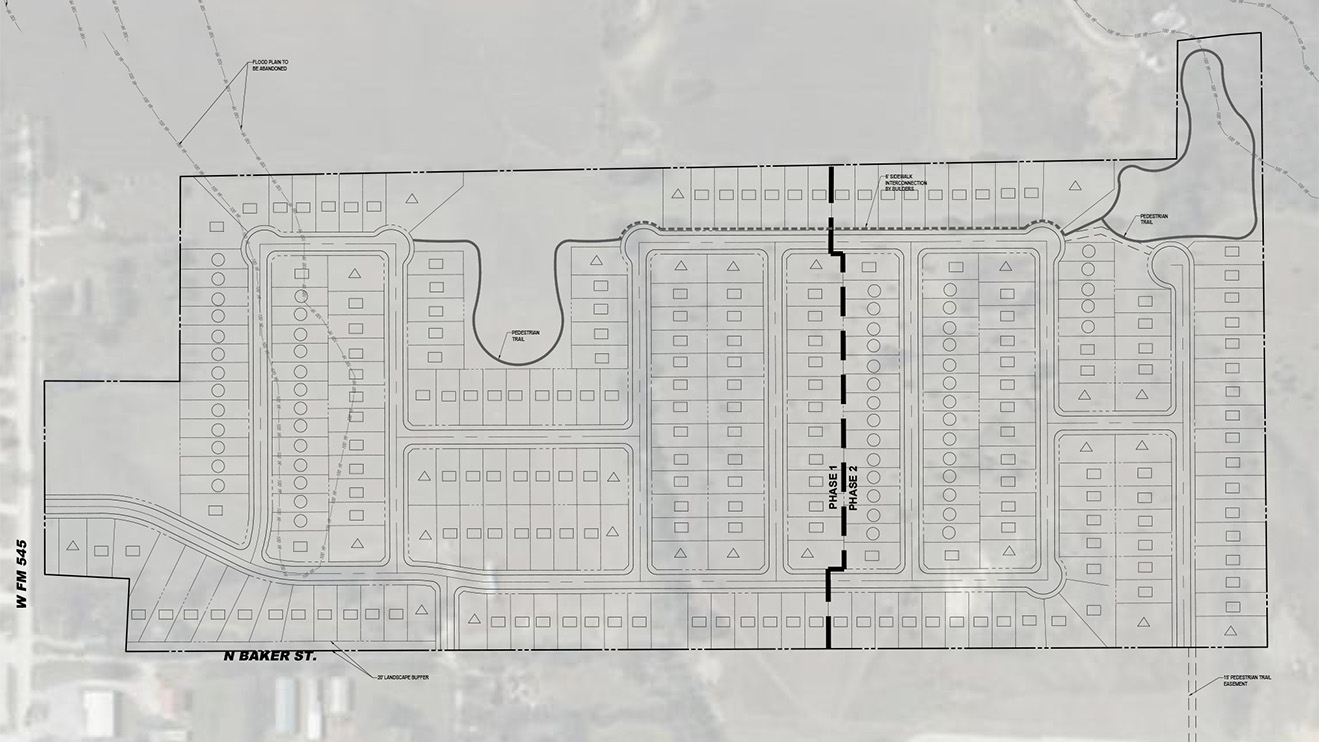
Strong site planning starts with quickly identifying the constraints that will shape your layout, including zoning limitations, environmental features, and topography. In addition, accounting for open space requirements, outdoor amenities, and stormwater management areas helps to confirm realistic yield before time and money are spent on the wrong conceptual plan.
The best planners leverage site constraints and natural features to create value. For example, larger lots that back up to exterior streams, wetlands, and woodlands can become premiums while smaller lots can be more efficiently placed in the interior.
Open space and outdoor amenities should be just as intentional. Well-placed, usable spaces create separation, enhance the sense of arrival, and elevate the overall community.
“An integrated planning and landscape architecture team, like Bohler’s, should identify opportunities to incorporate natural features and leverage each site’s unique elements to create value.” Scott Williams, Project Manager
Stormwater basin size and location have a direct impact on neighborhood frontage, roadway efficiency, and utility routing. Early drainage modeling helps validate these detention areas before the lot layout and presumed yield is locked in.
A quick, early-stage model can also help confirm you’re aligned with local regulations that could include designing for the full allowable impervious coverage, like future patios or pools.
Earthwork can make or break your margins, and it’s often one of the largest, least forgiving costs on a project. An experienced consultant will develop a preliminary grading strategy that tests feasibility and refines yield assumptions based on real site conditions — not just contours on a plan. Partnering with earthwork contractors at this stage can further sharpen accuracy, providing real-world insight into import/export costs and constructability.
At Bohler, we complement this with scalable in-house analysis, from quick CAD-based surface comparisons in early stages to detailed AGTEK modeling that evaluates full site buildouts, including soil layers and proposed improvements.
Infrastructure capacity and connection point assumptions also need to be validated early, before they start impacting cost, schedule, and feasibility. It’s critical to identify any off-site obligations upfront, from roadway improvements and traffic impacts to water and sewer extensions or pump stations.
Homebuilders each bring their own standards for roadways, driveways, grading, drainage, and even details like mailbox placement. Aligning those expectations early helps avoid rework and keeps the project moving once a builder is in place.
Often, developers may not have a final builder lined up at acquisition, may shift product mix, or sell sections off as the project evolves. That uncertainty makes flexibility and adaptability essential.
An experienced consultant can help bridge that gap, using market insight and familiarity with multiple builder requirements to create a plan that works across scenarios, not just a single outcome.
Smart engineering strategies that preserve optionality include:
“If a developer is uncertain or working with multiple homebuilders, we can overlay a variety of products so that we can provide a flexible layout that would accommodate most local builders,” explains Chris Puzinas, Sr. Project Manager at Bohler.
The goal is to keep your options open so your site can evolve without losing time, yield, or value.
When feasibility and due diligence are rushed or incomplete, the real cost tends to show up later down the line, when changes are harder, slower, and far more expensive to make. Density gets cut, lot widths need to be reworked, or stormwater facilities are resized.
Infrastructure assumptions can unravel too, triggering off-site improvements, utility rerouting, or capacity upgrades that weren’t accounted for. Even seemingly small architectural changes could suddenly require a variance, therefore impacting lot layout and complicating the entitlement process.
Aside from redesign, these adjustments often lead to multiple review cycles, further compounding the effect and resulting in higher per-lot costs, extended timelines, and increased fees.
The earlier these factors are understood and addressed, the more control you retain over the outcome.
At the end of the day, protecting yield is about maximizing value per lot while controlling the cost to deliver it.
When feasibility, planning, engineering, and infrastructure are aligned from the start, you get more accurate assumptions, fewer surprises, and a design that holds up through execution. That translates to lower development costs per lot, stronger pricing potential, and ultimately, a wider margin for the developer.
The right consultant plays a critical role in making that happen by not just validating constraints, but turning them into opportunities. By thoughtfully integrating natural features, open space, amenities, and lot placement, they help create communities that are both efficient to build and more desirable in the market.
Get our insights and latest news straight to your inbox.