
Stay in the Know
Get our insights and latest news straight to your inbox.
As clean, straightforward sites become harder to find, retail growth increasingly means working within existing conditions. Infill and adaptive reuse sites may be constrained by existing buildings, infrastructure, access, and surrounding development, but those challenges can also create opportunity.
The developers who know how to make these sites work, and choose the right partners to help them do it, have a real advantage.
Infill can challenge retailers to rethink how rigidly they apply a prototype. The building footprint, parking ratio, drive-through configuration, loading pattern, or circulation that works across dozens of locations may not fit neatly within an existing site.
The key is knowing which elements of the prototype are essential to the retailer’s operations and customer experience, and where there is room to flex. That could mean rethinking the orientation of a building, adjusting how customers and deliveries circulate through the site, or finding a different configuration for parking and loading.
On infill sites, the strongest solution may not look exactly like the prototype, but it should still perform like it.
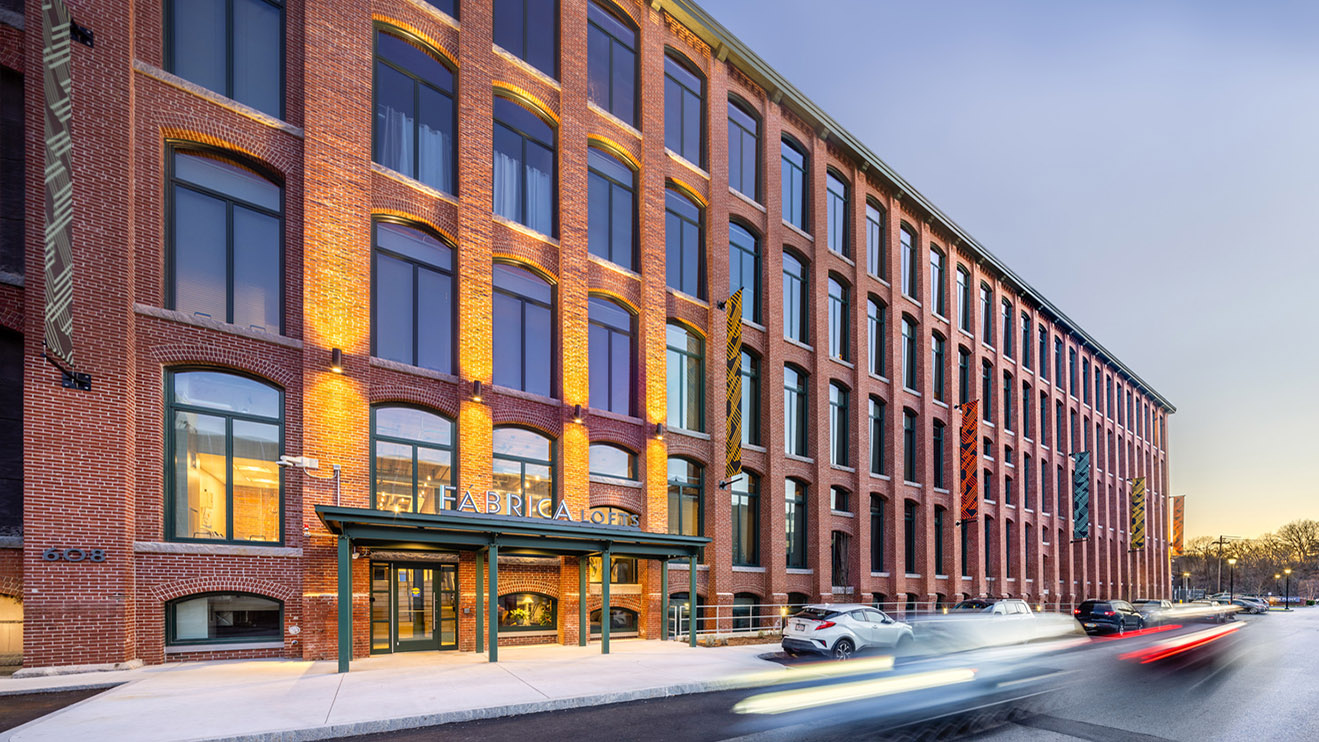
One of the potential advantages of adaptive reuse is that much of the site infrastructure is already there. But existing does not always mean usable.
Water, sewer, electric, and stormwater systems may have been designed decades ago for an entirely different use, and records may not accurately reflect what is underground. The real question for a developer is how much of that existing investment can support the next use, and what will need to change to make the deal work.
Understanding what can be reused, upgraded, or worked around can help preserve the value already built into the property rather than defaulting to starting over. For developers, the opportunity is in making existing assets work for a new purpose.
One of the realities of infill development is that the project may depend on infrastructure or access outside the property line.
A standalone entrance may not be possible. The site may rely on an existing shared driveway or cross-access easement, requiring the developer to work not only with reviewing agencies, but with neighboring property owners whose cooperation may be necessary to move the project forward.
That makes access more than a design exercise. Unlocking one property may require solving for a larger circulation network and interests beyond your own site.
Adaptive reuse and infill also mean introducing a new retail use into a place that is already functioning.
Homes, businesses, streets, and other uses are already there. A new retailer’s loading operations, truck movements, lighting, access, or building orientation may affect those existing neighbors, and vice versa.
For developers, that means the project cannot be designed solely around what works inside the property line. The opportunity is finding a way for the new use to function successfully within an environment that was already there.
That is ultimately the infill advantage. A complicated site becomes an opportunity when the right team knows how to make it work.
Not every difficult site will be viable. But developers and retailers that choose partners with experience solving the unique challenges of infill and adaptive reuse can pursue opportunities others may overlook.
At Bohler, we bring planning, surveying, engineering, permitting, and development experience together around one fundamental question: What would it take to make this site work?
Because when the next opportunity comes with complexity built in, having the right partner can be the difference between passing on the site and unlocking its potential.
This is the fourth article in our series exploring the decisions that shape successful retail development. Throughout the series, we’ve looked at how developers can rethink the traditional retail playbook to make smarter decisions, navigate complexity, and uncover new opportunities.

Get our insights and latest news straight to your inbox.