Stay in the Know
Get our insights and latest news straight to your inbox.
The conversations at this year’s ULI Spring Meeting 2026 reflected a commercial real estate industry entering a more disciplined and operationally focused environment. Across sessions, a consistent theme emerged around projects that create lasting value through experience, connectivity, community impact, and long-term resilience.
While capital remains available, investors and lenders are deploying it far more selectively, prioritizing strong fundamentals, strategic location selection, and infrastructure investment. Long-term interest continues to center around industrial and logistics facilities, adaptive reuse, entertainment-driven mixed-use environments, senior housing, and grocery-anchored or experiential retail concepts.
A consistent theme throughout the conference was that capital is increasingly flowing toward jurisdictions with business-friendly policies, predictable permitting timelines, and streamlined approval process. Rising impact fees, extended review periods, and evolving municipal requirements are creating delays and uncertainty that can push investment elsewhere.
Against that backdrop, we’ve pulled together the key themes and insights our team heard throughout the conference and what they signal for the market ahead.
Industrial remained one of the strongest conviction sectors throughout the conference, with developers and investors continuing to show confidence in logistics and distribution, last-mile delivery, manufacturing-related facilities, infill warehousing, and industrial outdoor storage.
Smaller-bay industrial facilities also continue to outperform due to limited supply and greater tenant flexibility. Geographic markets with strong population growth, infrastructure access, and constrained land availability are attracting the greatest share of capital and long-term interest.
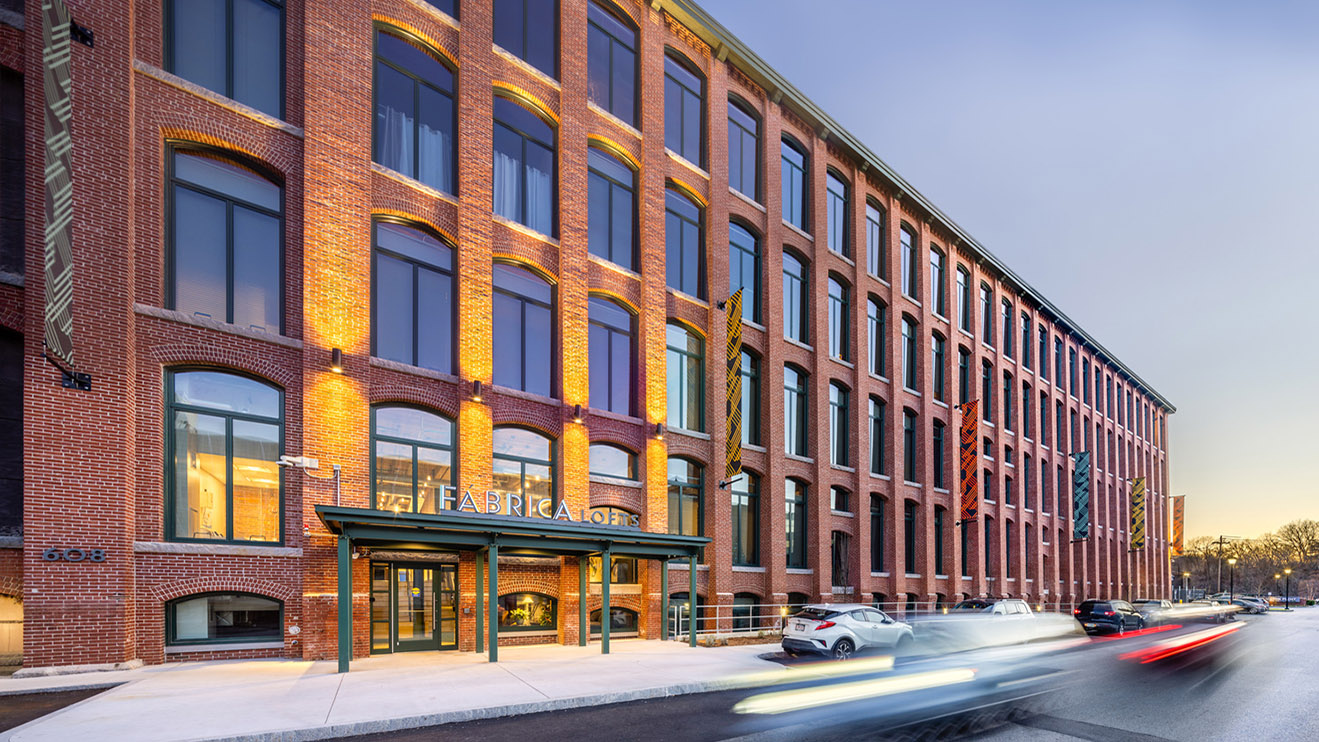
Not surprisingly, adaptive reuse emerged as major long-term development priority, with growing focus on repurposing older office buildings, industrial structures, warehouses, historic properties, and other underutilized urban assets.
Across conversations, preservation and reuse was increasingly viewed not only as historic stewardship, but as a powerful economic development and placemaking strategy that helps create more authentic community experiences while supporting broader downtown revitalization efforts.
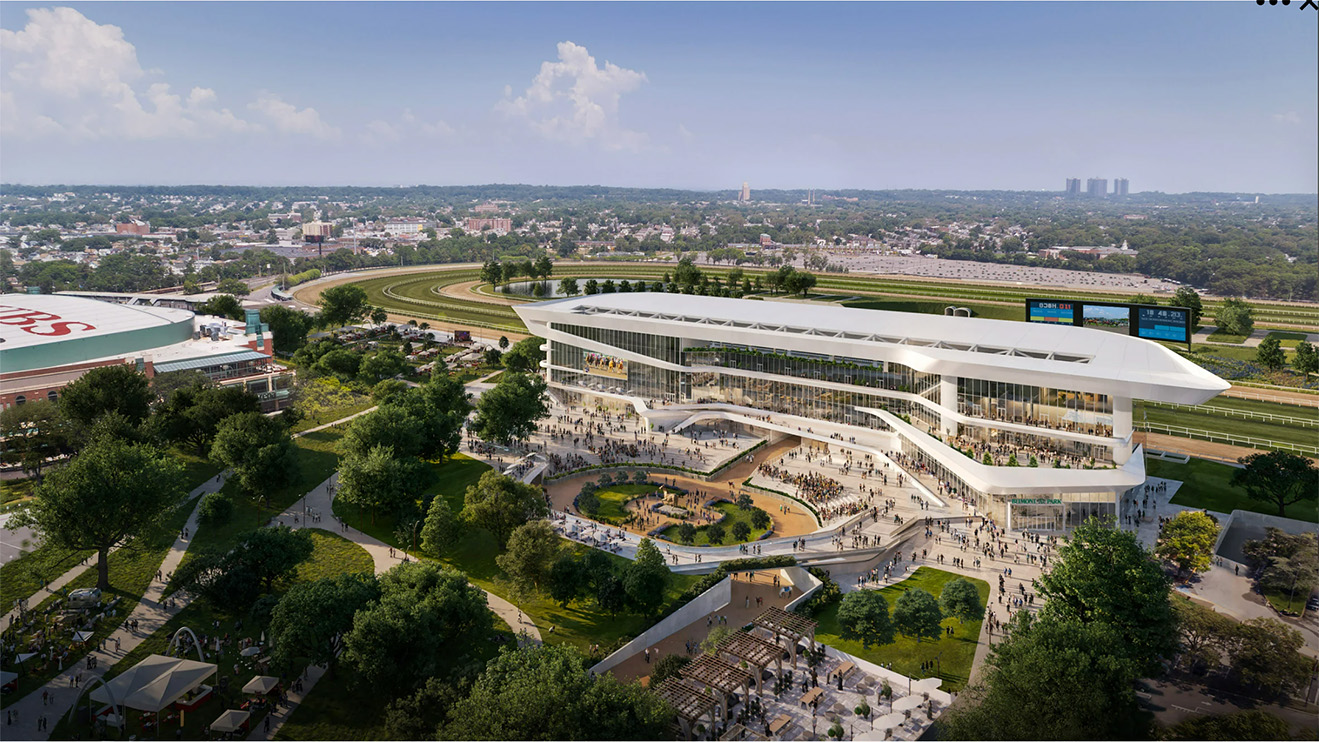
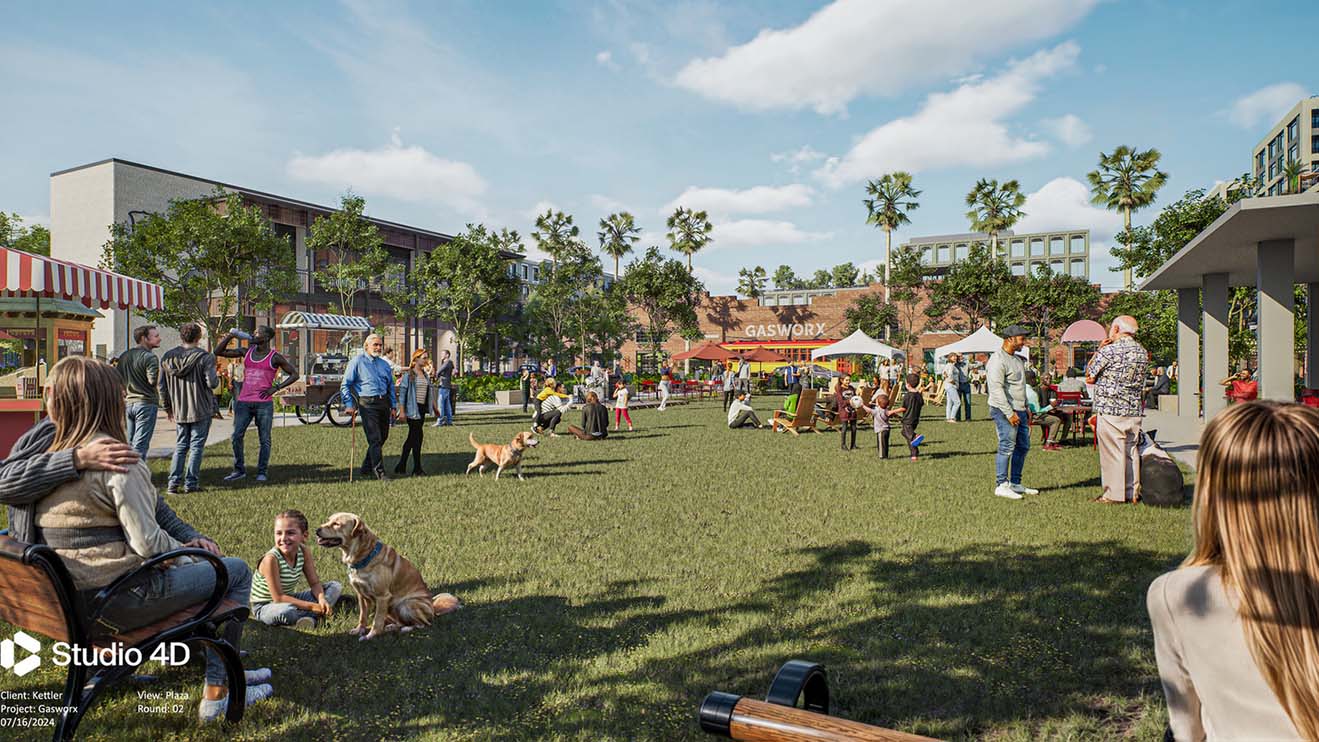
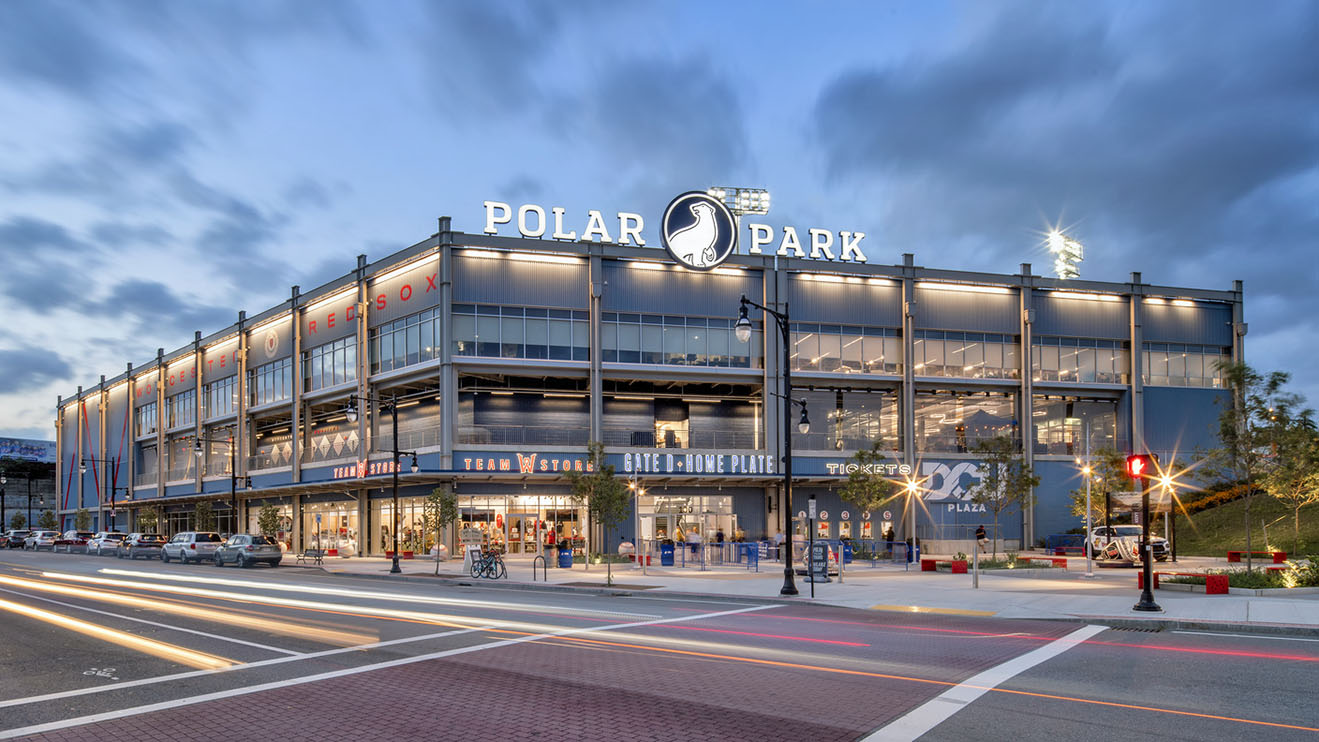
Public-private partnerships and entertainment-driven mixed-use districts were a major focus throughout the conference, as cities and developers increasingly collaborate to revitalize underutilized downtown areas and create more walkable, connected live-work-play environments.
Entertainment districts anchored by sports venues, hospitality, restaurants, experiential retail, and public gathering spaces are emerging as powerful economic drivers that support tourism, residential density, and long-term urban activation.
A notable trend was the acceleration and consolidation of project phasing within these large-scale districts. Rather than delivering developments incrementally over many years through smaller, standalone phases, developers are increasingly pursuing larger, more comprehensive phases that bring multiple residential buildings, retail components, hospitality uses, and public spaces online simultaneously.
Retail sentiment has improved significantly, particularly around grocery-anchored centers, lifestyle retail, experiential concepts, and mixed-use destinations. Limited new construction has strengthened pricing power, while retailers continue to prioritize high-quality physical locations with targeted reinvestments in facades, parking areas, and common spaces driving occupancy and rent growth.
Senior housing gained meaningful attention at the conference, supported by strong demographic tailwinds, limited new supply, and steadily rising demand from an aging population.
Success, however, is increasingly tied to operational expertise and the quality of management teams. As a result, performance differentiation is being driven less by location alone and more by the ability to deliver consistent, high-quality care and services at scale.
As the market continues to shift toward a more disciplined dynamic, success will increasingly depend on experience, execution, and a deep understanding of local conditions. Across every sector, the common thread is clear: capital is still active, but it is more selective, and projects must work harder to demonstrate long-term value, resilience, and community impact.
Markets such as Dallas-Fort Worth, Miami, Houston, Nashville, and Northern New Jersey continue attracting investment due to strong population growth, business-friendly policies, infrastructure investment, and active development pipelines.
For developers, investors, and public partners alike, the opportunity lies in aligning vision with viability and positioning projects to perform across cycles, not just at the peak of market conditions.
Ready to turn these market trends into a smarter strategy for your next project? Connect with a Bohler land development specialist in your region.
Get our insights and latest news straight to your inbox.